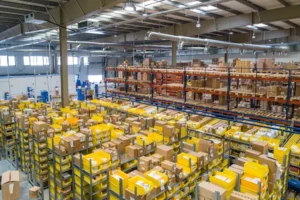
International trade and supply chains play an important role in shaping the US economy. Businesses across the United States depend on global suppliers, transportation networks and international markets to obtain raw materials, manufacture products and deliver goods to customers.
In 2026, the US trade and supply chain environment is experiencing significant changes due to evolving trade policies, tariffs, geopolitical developments, technological innovation and changing global economic conditions.
Companies are increasingly reviewing their sourcing strategies, manufacturing operations and distribution networks to manage uncertainty and improve operational efficiency.
At the same time, developments in artificial intelligence, automation, domestic manufacturing and logistics technology are creating new opportunities for businesses across different industries.
From small businesses and manufacturers to multinational corporations, organizations need to understand how international trade developments can influence operating costs, product availability and long-term business growth.
As global markets continue to evolve, companies must develop flexible supply chain strategies and identify opportunities in changing trade conditions.
So, what are the major challenges and opportunities shaping the US trade and supply chain outlook in 2026, and how can businesses prepare for these changes? Let’s take a closer look.
What Is the US Trade and Supply Chain System?
The US trade and supply chain system includes the activities involved in importing, exporting, manufacturing, transporting and distributing goods across domestic and international markets.
The United States trades with countries around the world and depends on international suppliers for various products, including electronics, machinery, automotive components, industrial materials and consumer goods.
Supply chains connect different stages of business operations, from sourcing raw materials to delivering finished products.
Some important elements include:
- International imports and exports.
- Domestic manufacturing and production.
- Global suppliers and sourcing networks.
- Shipping, transportation and logistics.
- Warehousing and inventory management.
- Customs procedures and trade regulations.
- Distribution and retail operations.
These activities are closely connected and contribute to the efficiency and competitiveness of the American economy.
Why Are Trade and Supply Chains Important for the US Economy?
International trade allows American businesses to access global markets, purchase essential materials and reach customers beyond domestic borders.
Efficient supply chains also help companies manage production costs, maintain inventory and deliver products on time.
Some important benefits include:
- Supporting manufacturing and industrial development.
- Creating employment opportunities.
- Improving access to international markets.
- Supporting business expansion and investment.
- Providing access to raw materials and components.
- Encouraging innovation and competition.
- Strengthening economic relationships with trading partners.
However, disruptions in global supply chains can increase business expenses, delay deliveries and affect product availability.
Understanding trade developments is therefore important for companies, investors and policymakers.
Major Challenges Affecting US Trade and Supply Chains in 2026
The US trade environment faces several challenges that can influence business costs, manufacturing activities and international supply networks.
Companies need to understand these challenges to reduce operational risks and maintain reliable business operations.
1. Tariffs and Changing Trade Policies
Tariffs are among the major factors influencing international trade in 2026.
Tariffs are taxes imposed on imported goods and can increase the cost of purchasing products and materials from foreign suppliers.
When import costs increase, businesses may need to adjust product prices, negotiate with suppliers or explore alternative sourcing locations.
Changing trade policies can also create uncertainty for companies that depend on international markets.
Businesses are therefore reviewing their sourcing strategies and evaluating how different tariff arrangements may affect their operations.
According to KPMG’s 2026 Tariff Survey, 78% of surveyed organizations reported higher costs of goods sold, while 68% reported delaying or postponing investments because of trade-related uncertainty.
KPMG
2. Global Supply Chain Disruptions
International supply chains can be affected by geopolitical tensions, transportation problems, natural disasters and changes in trade regulations.
Disruptions in one country can create delays for manufacturers and businesses operating in other regions.
For example, shortages of electronic components or industrial materials can affect production schedules and product deliveries.
Companies need to maintain flexible sourcing arrangements and develop alternative supply networks to reduce their dependence on individual suppliers.
3. Rising Transportation and Logistics Costs
Transportation is an essential part of international trade.
Businesses depend on shipping companies, trucking services, air freight and warehouse networks to move products across domestic and international markets.
However, higher fuel prices, insurance expenses, labor costs and transportation disruptions can increase logistics costs.
These expenses can affect product pricing and reduce business profitability.
Companies are increasingly exploring logistics technology and improved distribution strategies to manage transportation expenses.
4. Dependence on International Suppliers
Many American businesses depend on foreign suppliers for essential materials, machinery and finished products.
Although international sourcing can provide cost advantages, excessive dependence on a limited number of suppliers can create business risks.
If a major supplier experiences production problems or trade restrictions, companies may struggle to maintain normal operations.
Businesses are therefore considering supplier diversification and regional sourcing strategies.
5. Geopolitical Tensions and Trade Uncertainty
Geopolitical developments can influence international trade relationships and supply chain operations.
Trade restrictions, diplomatic tensions and international conflicts may affect transportation routes, energy markets and access to essential materials.
These developments can create uncertainty for companies involved in global manufacturing and distribution.
Businesses need to monitor international developments and evaluate potential risks when making long-term sourcing and investment decisions.
6. Inventory Management and Demand Uncertainty
Maintaining the right inventory levels is another important challenge for American businesses.
Holding excessive inventory can increase storage expenses and tie up working capital.
However, maintaining insufficient inventory can lead to product shortages and delayed customer deliveries.
Changes in consumer demand and import costs make inventory planning more complicated.
Companies are increasingly using data analytics and demand forecasting tools to improve inventory management.
Major Opportunities for US Trade and Supply Chains in 2026
Although international trade faces several challenges, changing market conditions are also creating new business opportunities.
Companies that adapt to emerging developments can improve their competitiveness and strengthen their supply chain operations.
1. Growth of Domestic Manufacturing
Domestic manufacturing is receiving increased attention as American businesses evaluate the risks associated with international sourcing.
Companies are exploring opportunities to produce more goods within the United States to improve supply chain reliability and reduce exposure to international disruptions.
Domestic manufacturing investment can create opportunities in:
- Industrial equipment and machinery.
- Semiconductor production.
- Automotive manufacturing.
- Medical equipment.
- Electronics and technology.
- Advanced manufacturing facilities.
A 2026 manufacturing survey found that 36% of surveyed original equipment manufacturers had reshored or were actively engaged in additional reshoring activity. Additionally, 63% planned US capital investment through 2027.
ISA.org
2. Reshoring and Nearshoring Opportunities
Reshoring refers to moving business operations or manufacturing activities back to the company’s home country.
Nearshoring involves relocating production or sourcing activities to nearby countries.
Both strategies are becoming important considerations for American businesses looking to improve supply chain flexibility.
For example, companies may consider domestic suppliers or manufacturing partners in neighboring countries such as Mexico and Canada.
These approaches can offer several potential advantages:
- Shorter transportation distances.
- Improved supplier communication.
- Reduced delivery times.
- Greater supply chain visibility.
- Better coordination of production activities.
However, businesses must evaluate labor costs, supplier capabilities, trade rules and infrastructure before selecting a new manufacturing location.
3. Artificial Intelligence in Supply Chain Management
Artificial intelligence is creating new opportunities to improve supply chain operations.
Businesses can use AI-powered systems to analyze demand, monitor inventory and identify potential transportation disruptions.
Predictive analytics can also help companies make better purchasing and production decisions.
Some important applications include:
- Demand forecasting.
- Automated inventory management.
- Supplier performance analysis.
- Shipment tracking.
- Predictive maintenance.
- Logistics optimization.
AI can help businesses identify operational problems earlier and improve supply chain visibility.
4. Expansion of Semiconductor and Technology Trade
Semiconductors are essential components used in computers, smartphones, automobiles, industrial equipment and advanced technology systems.
Growing demand for artificial intelligence infrastructure and data centers is increasing the importance of semiconductor production and international technology trade.
American businesses are exploring opportunities in chip manufacturing, computing equipment, advanced electronics and related infrastructure.
The McKinsey 2026 global trade analysis identifies AI-related imports as an important driver of US trade activity, reflecting growing demand for data center infrastructure.
McKinsey & Company
5. Growth of International Trade Partnerships
International trade partnerships can help American businesses access new markets, suppliers and investment opportunities.
Companies are increasingly evaluating different sourcing and export destinations to reduce dependence on individual trading partners.
Expanding international relationships can create opportunities for American manufacturers, agricultural businesses, technology companies and service providers.
However, businesses must understand the trade regulations, customs requirements and commercial conditions of each market.
6. Logistics Technology and Warehouse Automation
Technology is transforming the transportation and logistics industry.
Companies are investing in automated warehouses, digital shipment tracking and advanced inventory management systems.
Robotics and automation can help distribution centers handle products more efficiently.
Some important developments include:
- Automated warehouse operations.
- Smart inventory systems.
- Digital freight management.
- Real-time shipment tracking.
- Robotics in distribution centers.
- Data-driven transportation planning.
These technologies can improve delivery efficiency and help businesses manage increasing supply chain complexity.
7. Growth of US Agricultural and Energy Exports
Agriculture and energy remain important components of American international trade.
US agricultural businesses supply products such as grains, meat and other food commodities to international markets.
Energy companies also participate in global markets through exports of petroleum products, natural gas and other energy resources.
International demand can create opportunities for American producers, transportation companies and related industries.
However, export performance depends on global prices, trade policies, transportation capacity and international demand.
How Different US Industries Are Being Affected by Trade and Supply Chain Changes
Trade developments do not affect every industry in the same way.
Some sectors depend heavily on imported materials, while others benefit from domestic production and international export opportunities.
The following industries are particularly important in 2026.
1. Manufacturing Industry
Manufacturers depend on reliable access to raw materials, machinery and industrial components.
Tariffs and supply chain disruptions can increase production expenses and affect delivery schedules.
At the same time, domestic manufacturing investment and automation are creating opportunities for American industrial businesses.
2. Automotive Industry
The automotive industry relies on international supply networks for vehicle components, batteries, electronics and other materials.
Changes in trade policies can influence vehicle production costs and supplier relationships.
Companies are exploring alternative sourcing strategies and domestic production capabilities to improve supply chain reliability.
3. Technology and Electronics Industry
Technology companies depend on global semiconductor, electronics and computing equipment supply chains.
Growing demand for AI infrastructure is creating opportunities for chip manufacturers, data center suppliers and technology businesses.
However, restrictions on technology exports and dependence on specialized suppliers remain important challenges.
4. Retail and E-Commerce Industry
Retailers and e-commerce businesses depend on efficient product sourcing, inventory management and transportation networks.
Higher import costs can influence product pricing and profit margins.
Companies are increasingly using digital inventory systems and alternative sourcing arrangements to improve operational efficiency.
5. Agriculture and Food Industry
Agricultural businesses participate in both domestic and international supply chains.
Farmers, food processors and exporters depend on transportation networks, storage facilities and international demand.
Changes in trade policies and global commodity prices can influence export opportunities and operating costs.
6. Transportation and Logistics Industry
Transportation companies play an important role in moving goods across the United States and international markets.
Changes in trade volumes, fuel prices and shipping routes can influence logistics demand and operating expenses.
Companies are increasingly adopting technology to improve fleet management, shipment tracking and delivery performance.
How US Businesses Can Strengthen Their Supply Chain Strategies in 2026
Companies need practical strategies to manage trade uncertainty and maintain reliable supply chain operations.
Several important steps can help businesses improve their resilience and prepare for future developments.
1. Diversify Supplier Networks
Businesses should avoid depending entirely on one supplier or sourcing location.
Working with multiple suppliers can reduce the risk of production delays and material shortages.
2. Evaluate Total Sourcing Costs
Companies should consider more than the purchase price of imported goods.
Transportation, tariffs, insurance, customs duties, storage and delivery expenses should also be included when comparing suppliers.
3. Invest in Supply Chain Technology
Digital platforms, AI-powered analytics and automated inventory systems can improve supply chain visibility.
These technologies can help businesses monitor shipments, identify risks and improve purchasing decisions.
4. Maintain Appropriate Inventory Levels
Businesses should develop inventory strategies based on customer demand, supplier reliability and product availability.
Maintaining appropriate safety stock for essential materials can help reduce the impact of unexpected disruptions.
5. Monitor Trade Regulations
Companies involved in international trade should regularly review tariff changes, customs requirements and government trade policies.
Understanding regulatory developments can help businesses avoid unexpected expenses and compliance problems.
6. Strengthen Supplier Relationships
Maintaining strong relationships with suppliers can improve communication and coordination.
Businesses should regularly evaluate supplier performance, delivery reliability and financial stability.
7. Develop Alternative Transportation Plans
Companies should identify alternative shipping routes, transportation providers and distribution arrangements.
Having backup logistics options can help businesses respond to unexpected transportation disruptions.
Common Mistakes Businesses Should Avoid in International Trade
Managing international trade requires careful planning and a clear understanding of market conditions.
Businesses should avoid several common mistakes that can affect supply chain performance.
- Depending on a Single Supplier: Relying on one supplier can increase the risk of production delays and material shortages.
- Ignoring Tariff Changes: Failing to monitor trade policies can lead to unexpected import expenses.
- Poor Inventory Planning: Maintaining too much or too little inventory can create financial and operational problems.
- Overlooking Transportation Costs: Shipping, insurance and storage expenses can significantly affect total product costs.
- Ignoring Supplier Risks: Businesses should regularly evaluate supplier reliability and financial stability.
- Avoiding Technology Investment: Companies that ignore useful digital tools may struggle to improve supply chain efficiency.
- Expanding Without Market Research: Entering new international markets without understanding regulations and customer demand can create unnecessary risks.
The Future of US Trade and Supply Chains
The future of US trade and supply chains will continue to be influenced by international economic developments, government policies and technological innovation.
Businesses are likely to place greater importance on supply chain diversification, domestic manufacturing and regional trade partnerships.
Artificial intelligence, automation and digital logistics platforms will also play an increasingly important role in improving transportation, inventory management and production planning.
The growing demand for semiconductors, advanced electronics and AI infrastructure may create additional opportunities for American manufacturers and international suppliers.
At the same time, tariffs, geopolitical uncertainty and changing trade regulations will remain important considerations for businesses involved in international markets.
Companies will need to balance cost efficiency with supply chain resilience and long-term operational stability.
Organizations that invest in technology, develop strong supplier relationships and maintain flexible sourcing strategies may be better positioned to manage future disruptions.
Ultimately, successful supply chain management will depend on the ability to adapt to changing market conditions while maintaining reliable and cost-effective business operations.
Conclusion
US trade and supply chains play an important role in supporting American businesses, manufacturing activities and economic growth.
In 2026, tariffs, geopolitical developments, transportation costs and changing trade policies are creating challenges for companies operating in domestic and international markets.
However, these developments are also creating opportunities in domestic manufacturing, reshoring, artificial intelligence, logistics technology and international trade partnerships.
Businesses that diversify suppliers, invest in technology, monitor trade regulations and improve inventory management can strengthen their supply chain operations.
As global markets continue to evolve, companies need to focus on both cost efficiency and operational resilience.
Ultimately, the ability to build flexible supply chains and adapt to international trade developments will remain essential for the long-term success of American businesses.