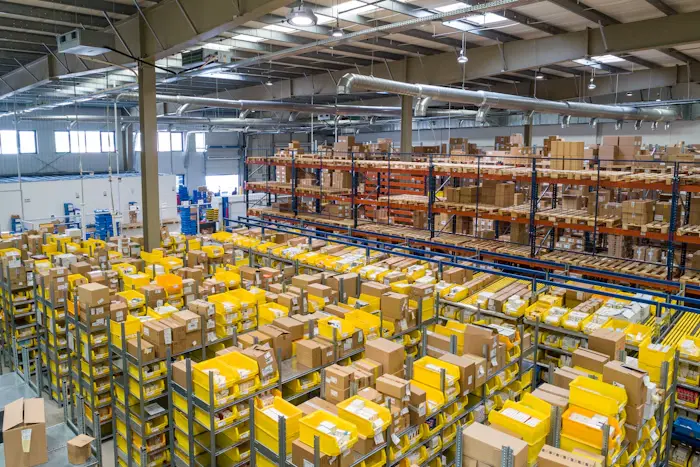
Supply chains, international trade and industrial developments play an important role in shaping the global business environment. From manufacturing and transportation to international markets and product distribution, these activities influence how businesses operate, manage costs and deliver products to customers.
As economies become increasingly connected, businesses depend on reliable supply networks, efficient production systems and strong trade relationships. Changes in international trade policies, transportation costs, technology and industrial production can create both opportunities and challenges for companies across different sectors.
Whether it is a small manufacturing company or a large multinational corporation, understanding supply chain and industrial developments is essential for maintaining business stability and supporting long-term growth.
So, how are supply chains, trade and industrial developments changing the business landscape, and what can companies do to adapt? Let’s take a closer look.
What Are Supply Chains, Trade and Industrial Developments?
Supply chains refer to the complete network of activities involved in producing and delivering products to customers. This includes sourcing raw materials, manufacturing, storage, transportation and distribution.
Trade involves the exchange of goods and services between businesses, regions and countries. It allows companies to access international markets, work with global suppliers and reach new customers.
Industrial developments refer to changes and improvements in manufacturing, production processes, infrastructure and industrial technology.
Some important elements of these areas include:
- Raw material sourcing and procurement
- Manufacturing and industrial production
- International imports and exports
- Transportation and logistics
- Warehousing and inventory management
- Trade policies and international agreements
- Automation and industrial technology
Understanding these elements helps businesses improve operations, manage risks and identify opportunities in changing markets.
Why Are Supply Chains and Trade Important for Businesses?
Supply chains and trade are essential for ensuring that products and services move efficiently from suppliers to customers.
Businesses depend on these systems to maintain production, control expenses and meet customer expectations.
Maintaining Product Availability
Reliable supply chains help businesses maintain sufficient inventory and avoid unnecessary production delays.
When materials and products are available at the right time, companies can fulfil customer orders more efficiently.
Managing Business Costs
Transportation, raw materials, labour and storage expenses can influence overall production costs.
Businesses that manage their supply chains effectively can identify cost-saving opportunities and improve operational efficiency.
Expanding into International Markets
International trade allows companies to sell products and services beyond their domestic markets.
Businesses can reach new customers, develop international partnerships and explore additional revenue opportunities.
Supporting Industrial Growth
Industrial development encourages improvements in manufacturing, infrastructure and production technology.
These developments can increase productivity, support employment and strengthen economic activity.
Major Trends Affecting Supply Chains, Trade and Industrial Developments
Several important trends are changing how businesses manage production, transportation and international trade.
1. Global Supply Chain Transformation
Global supply chains have become increasingly interconnected as businesses source materials and products from different countries.
This approach allows companies to access international suppliers, specialized manufacturing facilities and competitive production costs.
However, global supply networks can also face challenges such as transportation delays, geopolitical uncertainty, natural disasters and changing trade policies.
Many companies are therefore reviewing their sourcing strategies and building more flexible supply networks.
Diversifying suppliers and maintaining alternative sourcing options can help businesses reduce their dependence on a single location.
2. International Trade and Changing Trade Policies
International trade plays a major role in connecting businesses with global markets.
Imports and exports allow companies to exchange products, access raw materials and develop relationships with international customers.
However, changes in tariffs, trade agreements, customs regulations and government policies can influence the cost and movement of goods.
Businesses involved in international trade need to monitor these developments and understand how regulatory changes may affect their operations.
Developing strong international partnerships and maintaining proper trade documentation can help companies manage these challenges.
3. Automation and Smart Manufacturing
Technology is transforming industrial production and manufacturing processes.
Businesses are increasingly using robotics, automated machinery, artificial intelligence and smart production systems to improve efficiency.
Automation can reduce repetitive manual tasks, improve product consistency and support faster production.
Smart manufacturing systems can also collect operational information, helping companies monitor equipment performance and identify potential problems.
However, adopting advanced manufacturing technologies requires investment, technical expertise and employee training.
Companies should evaluate their operational requirements before implementing new systems.
4. Transportation and Logistics Developments
Transportation and logistics are essential parts of modern supply chains.
Products need to move efficiently between suppliers, manufacturing facilities, warehouses and customers.
Developments in shipping, rail transportation, road networks and air freight are influencing how businesses manage deliveries.
At the same time, fuel prices, labour availability, infrastructure limitations and transportation disruptions can increase logistics expenses.
Businesses can improve transportation efficiency through route planning, logistics technology and stronger relationships with delivery partners.
5. Inventory Management and Warehouse Technology
Effective inventory management helps businesses maintain the right quantity of products and materials.
Too much inventory can increase storage expenses, while insufficient stock may result in missed sales and production delays.
Modern warehouse management systems, barcode technology and automated inventory tracking tools are helping companies improve stock visibility.
Businesses can use these technologies to monitor inventory levels, manage orders and reduce unnecessary operational expenses.
Better inventory planning can also improve customer satisfaction by supporting timely product availability.
6. Industrial Infrastructure and Manufacturing Investment
Industrial infrastructure plays an important role in supporting economic and business growth.
Manufacturing facilities, transportation networks, energy systems and industrial parks provide the foundation for production and distribution activities.
Investment in modern infrastructure can help businesses improve productivity and access new markets.
In the United States, industrial investment and manufacturing developments continue to influence areas such as advanced manufacturing, transportation equipment, energy and technology.
Companies need to consider infrastructure availability, production costs and workforce requirements when planning industrial expansion.
7. Sustainable Supply Chains and Green Manufacturing
Environmental responsibility is becoming an important consideration in supply chain management.
Businesses are exploring ways to reduce packaging waste, improve energy efficiency and use resources more responsibly.
Manufacturers are also evaluating production processes to identify opportunities for reducing emissions and material waste.
Sustainable transportation, responsible sourcing and efficient warehouse operations can support environmental objectives while improving resource management.
Companies that incorporate sustainability into their supply chain strategies may also become better prepared for changing customer expectations and regulatory requirements.
How Supply Chain and Industrial Changes Affect Small and Large Businesses
Supply chain and industrial developments can affect businesses differently depending on their size, industry and financial resources.
Small businesses may have limited purchasing power and fewer supplier options. As a result, increases in transportation costs, raw material prices or import expenses can create significant financial pressure.
Large companies generally have more resources, established supplier relationships and access to international markets. However, they may also manage more complex supply networks and face greater exposure to international disruptions.
Manufacturers, retailers, wholesalers and e-commerce companies all depend on efficient supply chain operations.
Regardless of business size, companies need to focus on supplier reliability, inventory management and operational flexibility.
How Businesses Can Adapt to Changing Supply Chain and Industrial Conditions
Businesses cannot control every international trade development or industrial change, but they can take practical steps to improve their readiness.
1. Diversify Supplier Networks
Depending on a single supplier or country can increase business risks.
Companies should explore alternative suppliers and develop relationships with multiple sourcing partners.
2. Invest in Supply Chain Technology
Digital inventory systems, warehouse management software and logistics platforms can improve operational visibility.
Businesses should adopt technology that addresses their actual supply chain requirements.
3. Improve Inventory Planning
Regularly monitoring stock levels and customer demand can help companies avoid shortages and unnecessary storage expenses.
Accurate inventory planning supports smoother business operations.
4. Monitor International Trade Developments
Businesses involved in imports and exports should stay informed about tariffs, customs regulations and trade agreements.
Understanding these changes can help companies prepare for potential cost increases and regulatory requirements.
5. Strengthen Logistics and Transportation Management
Companies should regularly evaluate transportation costs, delivery performance and logistics partners.
Improving delivery routes and coordinating shipments can help reduce delays and operating expenses.
6. Invest in Workforce Training
Modern industrial operations require employees with technical, digital and operational skills.
Training programs can help workers adapt to new machinery, automation systems and production technologies.
Common Mistakes Businesses Should Avoid
Managing supply chains and industrial operations requires careful planning. Businesses should avoid common mistakes that can create unnecessary risks.
Depending on a Single Supplier: Limited sourcing options can make businesses more vulnerable to supply disruptions.
Ignoring Transportation Costs: Unexpected increases in shipping and logistics expenses can affect profitability.
Poor Inventory Management: Excessive stock or frequent shortages can create operational and financial problems.
Overlooking Trade Regulations: Failure to understand customs requirements and import-export regulations can cause delays and additional expenses.
Delaying Technology Investments: Businesses that ignore useful industrial and digital improvements may struggle to maintain operational efficiency.
Ignoring Supply Chain Risks: Companies should regularly evaluate potential disruptions and develop practical backup plans.
The Future of Supply Chains, Trade and Industrial Developments
The future of supply chains and industrial operations will continue to be influenced by technology, international trade, infrastructure investment and changing economic conditions.
Artificial intelligence, robotics, smart manufacturing and digital logistics systems are expected to remain important areas of industrial transformation.
Businesses may also continue exploring regional sourcing, supplier diversification and more flexible production networks to improve supply chain resilience.
Sustainability and energy efficiency will remain important considerations as companies evaluate their manufacturing and transportation operations.
As international markets continue to evolve, businesses that combine technology, strategic sourcing and effective operational planning may be better positioned to respond to future challenges.
Conclusion
Supply chains, trade and industrial developments play a major role in supporting business operations and economic growth. Factors such as international trade policies, transportation costs, manufacturing technology, supplier relationships and industrial infrastructure can influence how companies produce and deliver goods.
Understanding these developments helps businesses manage operational risks, improve efficiency and identify new market opportunities.
Companies that invest in modern technology, diversify suppliers and maintain flexible supply chain strategies can become better prepared for unexpected disruptions.
As global industries continue to transform, efficient supply chain management, international cooperation and industrial innovation will remain essential for long-term business success.
Ultimately, businesses that understand changing trade conditions and adapt to industrial developments can build more reliable operations and maintain a competitive position in the global marketplace.
